The journey of casinos from ancient gambling houses to modern entertainment hubs
The Origins of Gambling Houses
The history of casinos traces back to ancient civilizations, where informal gambling activities were commonplace. In ancient China, as early as 2300 B.C., games involving dice were prevalent, laying the groundwork for future gambling establishments. The Romans also engaged in various betting games, often within their taverns and bathhouses, providing an informal environment for wagering. These early iterations of gambling houses played a critical role in social gatherings and community bonding, setting the stage for the casino culture we know today. Today, you can experience a variety of gaming options by visiting imperialwinscasino-nz.com/ for online pokies.

With the passage of time, these rudimentary gambling settings evolved, particularly in Europe during the Middle Ages. Establishments called « gaming houses » began to emerge, catering to the noble class. These houses offered more structured betting games, reflecting societal hierarchies and the growing fascination with chance. The attraction to games of fortune became a hallmark of leisure, making these venues popular among the elite, thus amplifying the desire for more organized gaming environments.
By the late 17th century, the concept of casinos began to take shape, primarily in Italy. The first official casino, the Ridotto, opened in Venice in 1638. This marked a significant shift from casual gambling to a more regulated, high-stakes environment. The Ridotto offered a variety of card games, serving as a prototype for future casinos. The combination of entertainment, luxury, and the thrill of chance attracted a diverse clientele, igniting a passion for gambling that would only grow over the centuries.
The Rise of Formal Casinos
As the 18th century unfolded, gambling houses transitioned into formal casinos, particularly in Europe. The French became pioneers in establishing the modern casino concept, with venues like the Casino de Spa in Belgium and the Casino of Monte Carlo in Monaco gaining widespread popularity. These establishments provided patrons with luxurious settings, fine dining, and a wide array of gaming options. The allure of glamour and sophistication attracted not just the wealthy but also the aspiring middle class, thereby expanding the market significantly.
In addition to the upscale ambiance, casinos began to adopt more standardized rules and regulations, ensuring fair play and increasing public trust. This evolution included the introduction of iconic games such as roulette and blackjack, which are still mainstays in today’s gambling world. The structured environment fostered a sense of legitimacy, encouraging patrons to partake without the fear of being cheated. The casino experience became intertwined with entertainment, transforming these venues into social hubs.
By the end of the 19th century, casinos had spread across the globe, reaching the United States, where the Gold Rush fueled a surge in gambling activities. Cities like New Orleans and later Las Vegas became synonymous with the casino culture. The American interpretation of casinos involved not just gaming, but also spectacular shows and lavish events, further cementing their role as entertainment hubs. This transformation was pivotal in reshaping the perception of casinos, moving away from mere gambling to comprehensive leisure destinations.
Modern Day Casinos: Technology and Entertainment
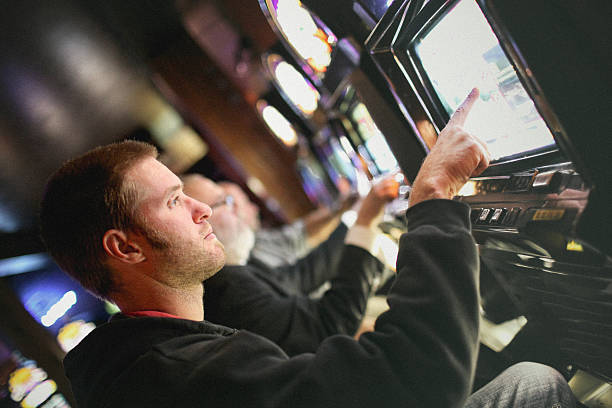
The 20th century witnessed a massive transformation in the casino landscape, primarily due to technological advancements. The introduction of slot machines revolutionized the gaming experience, allowing for greater accessibility and engagement. Players no longer needed to understand complex rules; a simple pull of the lever could yield substantial rewards. This democratization of gambling opened the doors for a new demographic, significantly broadening the appeal of casinos.
As technology continued to evolve, casinos embraced innovations such as electronic table games and online gaming platforms. The rise of the internet in the late 1990s allowed for the establishment of virtual casinos, enabling players to enjoy their favorite games from the comfort of their homes. This shift has led to an explosion in the online gambling industry, with numerous sites offering everything from virtual slots to live dealer experiences. Online platforms have capitalized on the convenience factor, further diversifying the gambling landscape.
Moreover, modern casinos are not just about gaming anymore; they have expanded their offerings to include top-tier dining, luxury shopping, and extravagant entertainment shows. Las Vegas exemplifies this evolution, where casinos like The Bellagio and Caesars Palace boast lavish amenities alongside gaming options. Visitors can enjoy concerts, fine dining, and world-class shopping all within the same venue. This holistic approach to entertainment has redefined casinos as multifaceted destinations rather than just places for gambling.
The Role of Regulation and Responsible Gambling
With the rapid growth of the casino industry, regulation has become crucial in ensuring fair play and protecting consumers. Governments around the world have implemented strict guidelines to oversee gambling establishments, aiming to prevent fraud and promote responsible gaming. Licensing bodies monitor operations, and adherence to these regulations is vital for casinos to maintain their licenses and reputations. This regulatory framework helps foster public trust, which is essential for long-term sustainability.
As concerns about gambling addiction have risen, many modern casinos have taken proactive measures to promote responsible gambling. Initiatives such as self-exclusion programs, gambling addiction hotlines, and employee training have been implemented to assist those in need. These measures reflect a commitment to not only providing entertainment but also ensuring a safe and responsible gaming environment. Casinos are increasingly aware of their social responsibility, seeking to create a balance between profit and community welfare.
The focus on responsible gambling does not detract from the excitement; rather, it enhances the overall experience. Patrons are encouraged to enjoy their time while understanding the risks involved. This philosophy allows casinos to foster a sustainable environment where fun and responsibility coexist, ultimately contributing to a healthier gaming culture. Through regulation and education, the industry strives to create a safer space for all players.
The Future of Casinos: Online Gaming and Beyond
The future of casinos is intricately tied to the ongoing evolution of technology and changing consumer preferences. The growth of mobile gaming has transformed how players interact with casino games, as mobile applications allow users to gamble anytime, anywhere. This shift has made it essential for casinos to adapt quickly, offering seamless experiences across different platforms. The demand for interactive gaming experiences, such as virtual reality casinos, is on the rise, promising an exciting frontier for both players and operators.
Additionally, the integration of blockchain technology and cryptocurrencies in the gaming industry is gaining traction. This innovation could offer players enhanced security, transparency, and anonymity when wagering. As the industry embraces these technologies, traditional casinos will need to find ways to incorporate them into their operations to stay competitive. The collaboration of online and land-based casinos could create a hybrid model, merging the best of both worlds.
As the casino industry continues to evolve, new entertainment forms, such as eSports betting and skill-based games, are emerging. These trends cater to younger demographics who seek engaging and interactive experiences beyond traditional gambling. The adaptability of casinos to these changes will determine their relevance in the future entertainment landscape. By embracing innovation while maintaining a commitment to responsible gaming, the casino sector is poised for a vibrant and dynamic future.